

Staying connected with friends, family, and colleagues across borders is more important than ever in 2025. But if you have ever made a long distance call, you know how quickly those charges can add up.
Many of us face common frustrations like high costs, hidden fees, and unreliable call quality. It can feel overwhelming to find a solution that balances affordability with clear, convenient communication.
This guide is here to help. We will walk you through the latest technologies, smart strategies, and top platforms for making a long distance call without breaking the bank.
Ready to cut costs and connect with confidence? Let us explore new tools and tips that make every long distance call simple and affordable for everyone.
Understanding Long Distance Calls in 2025
Staying connected with loved ones or colleagues across the globe often starts with a long distance call. The world of calling has changed dramatically, making it more accessible and affordable than ever. Let’s explore how long distance calling works today, the types of calls you can make, and what to watch out for in 2025.

Evolution of Long Distance Calling
The journey of the long distance call began with operator-assisted connections, where each call meant speaking to a human before being linked. As technology advanced, direct distance dialing (DDD) allowed people to call distant cities without help. Key milestones include the arrival of internet-based calling and the deregulation of telecom markets, which opened up competition and lowered barriers. In the past, making a single long distance call could be expensive and time-consuming, but today, it is fast, easy, and much more affordable.
Types of Long Distance Calls
There are several types of long distance call you might use. Domestic calls connect people within the same country, while international calls cross borders. In the U.S., intrastate calls happen within a state, and interstate calls cross state lines, each with different pricing. You can place a long distance call through a landline, mobile phone, or internet-based VoIP service, making it easier to find the right option for your needs.
| Type | Description |
|---|---|
| Domestic | Within the same country |
| International | Between different countries |
| Intrastate | Within the same U.S. state |
| Interstate | Between U.S. states |
Current Trends and Technologies
The biggest shift for the long distance call in 2025 is the rise of VoIP and app-based solutions. These platforms use the internet, so you can call from your browser or smartphone, often at a fraction of the cost. Traditional landlines are declining, while pay-as-you-go and browser-based calling apps are on the rise. According to recent VoIP Industry Statistics 2025, more people are choosing digital options for their long distance call, thanks to better rates and improved call quality.
Cost Structure and Pricing Factors
Several factors impact the price of a long distance call. Rates depend on the distance, destination country, time of day, and technology used. For international calls, the receiving country often sets part of the cost. Many digital services offer rates from $0.02 to $0.25 per minute. Always check if your provider charges extra fees, as these can affect the total you pay for a long distance call.
Common Challenges for Callers
Despite the progress, making a long distance call can still bring challenges. Traditional carriers may charge high per-minute rates, and some services add hidden fees or require minimum usage. International routes sometimes suffer from poor call quality or dropped connections. To avoid surprises, look for transparent pricing and reliable service, so your long distance call experience remains smooth and affordable.
Key Strategies for Affordable Long Distance Calls
Staying connected through a long distance call should not feel like a luxury in 2025. With so many options, it is possible for all of us to enjoy clear, affordable conversations no matter where our loved ones are. Let’s break down the strategies that can help you save money and get the most from every long distance call.

Compare Calling Methods
Choosing the right method for your long distance call can make a big difference in your monthly expenses. Here’s a quick comparison:
| Method | Pros | Cons |
|---|---|---|
| Traditional Carrier | Widely available | High rates, hidden fees |
| Calling Cards | Prepaid control, flexible | Can have fees, expiry dates |
| VoIP Services | Low rates, global access | Needs internet, setup |
| App-Based Calling | Easy, mobile friendly | App compatibility required |
For example, VoIP services can offer up to 90% savings compared to legacy phone companies. Always review your options before making a long distance call.
Take Advantage of Internet-Based Solutions
Using internet-based platforms and apps for a long distance call is one of the best ways to cut costs. With web calling and VoIP, there’s no need for physical lines, and you can enjoy clear calls worldwide. Many services now operate on a pay-as-you-go basis, so you only pay for what you use.
If you want to explore some of the best options on the market, check out this guide to affordable international call options to see which platforms suit your needs.
Monitor and Manage Usage
It is easy to lose track of how much a long distance call costs if you do not monitor your usage. Use rate calculators to estimate call costs ahead of time, and keep an eye on call durations. Many providers allow you to set spending limits or receive alerts when you reach certain thresholds.
- Track call history regularly
- Use built-in calculators
- Set reminders for spending limits
Staying on top of your usage helps avoid bill shock.
Leverage Promotions and Free Trials
Many platforms offer special deals for first-time users or seasonal promotions. You might enjoy a free first long distance call or earn credits by referring friends. Keep an eye out for holiday discounts or trial periods that let you test a service risk-free.
Trying out different services with these offers can help you find the best fit without spending extra.
Avoid Hidden Fees and Contracts
Always read the fine print before making a long distance call. Look for connection fees, minimum charges, or rounding practices that inflate costs. Choose providers with transparent, per-minute pricing and credits that never expire.
This transparency ensures you only pay for what you use.
Optimize Call Timing
Some providers offer lower rates on a long distance call during off-peak hours. If you are flexible, schedule your calls based on the destination country’s time zone to take advantage of these savings.
A little planning can lead to significant cost reductions over time.
Use Multi-Platform Access
Flexibility is key for a modern long distance call. Many services allow you to call from your web browser, smartphone, or tablet. This lets you switch devices to find the best connection or take advantage of different networks.
For example, you might start a call on your laptop and continue on your phone if your Wi-Fi signal changes. This adaptability can make your long distance call experience smoother and more reliable.
Essential Features to Look for in a Long Distance Calling Service
Choosing the right long distance call service can feel overwhelming with so many options in 2025. The best providers make it easy, affordable, and stress-free for us to stay connected. Let’s explore the essential features that matter most and how to spot them.

Transparent Pricing and Rate Calculators
Transparency is key when choosing a long distance call provider. Look for services that show per-minute rates upfront, so you avoid hidden surprises. A good rate calculator lets you estimate costs before dialing, ensuring you always know what you’ll pay.
Want to compare costs further? Check out this helpful guide on long distance calling tips to see how rates stack up.
Pay-As-You-Go Flexibility
Freedom matters. A strong long distance call service offers pay-as-you-go credits with no contracts or expiration dates. You control your spending, topping up only when you need. This flexibility means you never have to worry about losing unused minutes or being locked into a plan.
Global Coverage and Accessibility
Reliable global coverage is a must for any long distance call. The best services allow you to reach both landlines and mobiles in over 200 countries. Easy access from web browsers, iOS, and Android apps makes calling convenient wherever you are.
| Feature | Why It Matters |
|---|---|
| 200+ Destinations | Call friends worldwide |
| Device Support | Call from any device |
| Landline/Mobile | Full connection options |
High Call Quality and Security
Crystal-clear voice quality makes every long distance call feel closer. Prioritize providers offering HD audio and strong encryption, so your conversations are private and crisp. Secure connections mean you never have to worry about eavesdropping or dropped calls.
Responsive Customer Support
Even the best long distance call services can face occasional hiccups. That’s why responsive customer support is essential. Look for live chat or fast email help, so any technical or billing questions get solved quickly. A helpful support team adds real peace of mind.
User-Friendly Experience
Nobody wants a complicated setup. The right long distance call provider offers instant sign-up, easy credit top-ups, and an intuitive interface. This means you can start calling loved ones in minutes, without a steep learning curve or confusing menus.
Additional Perks
Extra features can make your long distance call experience even better. Look out for:
- Free trial calls for new users
- Referral bonuses for inviting friends
- Multi-language support for international families
These perks help you save money and stay connected with ease. For more tips, see our international calling guide.
Step-by-Step Guide: Making an Affordable Long Distance Call
Making an affordable long distance call in 2025 is easier than ever if you follow the right steps. This guide will walk you through a simple process, helping you save money, avoid hidden fees, and enjoy clear connections every time.
Step 1: Identify Your Calling Needs
Start by thinking about how you plan to use your long distance call options. Are you calling family abroad, friends in another state, or business contacts? Decide if you mostly call landlines, mobiles, or both. Make a quick list of your top destinations and how often you need to connect. This will help you pick the most suitable solution later.
Step 2: Research and Compare Providers
Next, explore different providers to find the best fit for your long distance call habits. Compare rates, coverage, device compatibility, and features. Use online tools to see which services work in your target countries. If you’re considering calling cards, check out this helpful long distance calling cards guide guide to understand how they can help you save.
Step 3: Sign Up and Set Up Your Account
Once you’ve chosen a provider, create your account. Look for quick sign-up options, like using your email, Google, or Apple account. Many services offer a free trial call so you can test quality and reliability before spending money. Make sure the platform supports your preferred devices for seamless long distance call experiences.
Step 4: Calculate and Purchase Credits
Before making a long distance call, use the provider’s rate calculator to estimate the cost for each destination. Purchase a small amount of credits to start, such as $5, which gives you flexibility without a big commitment. Double-check that the credits do not expire, so you can use them as needed.
Step 5: Make Your Call
Now you are ready to place your long distance call. Use the provider’s web platform or mobile app for convenience. Monitor your call duration and check if real-time cost tracking is available. This way, you always stay aware of your spending and avoid surprises on your next long distance call.
Step 6: Manage and Optimize Usage
Review your call history and spending regularly. Set alerts or spending limits if the provider offers them. Take advantage of promotions or special deals to reduce your long distance call expenses. Adjust your calling habits based on patterns, like calling during off-peak hours for better rates.
Step 7: Seek Support When Needed
If you run into trouble with a long distance call, don’t hesitate to contact customer support. Reliable providers offer live chat or email help for technical or billing questions. Having support on hand ensures you can resolve any issues quickly and keep your long distance call experience stress-free.
ZippCall: A Modern Solution for Long Distance Calling
Staying in touch with loved ones or business partners across borders is easier than ever, but finding a reliable long distance call solution that balances quality and affordability can still be a challenge. ZippCall steps in as a modern digital communications platform designed to simplify international calling in 2025. With a focus on transparent pricing and user-friendly access, it meets the needs of anyone who wants to make a long distance call without hassle or hidden costs.
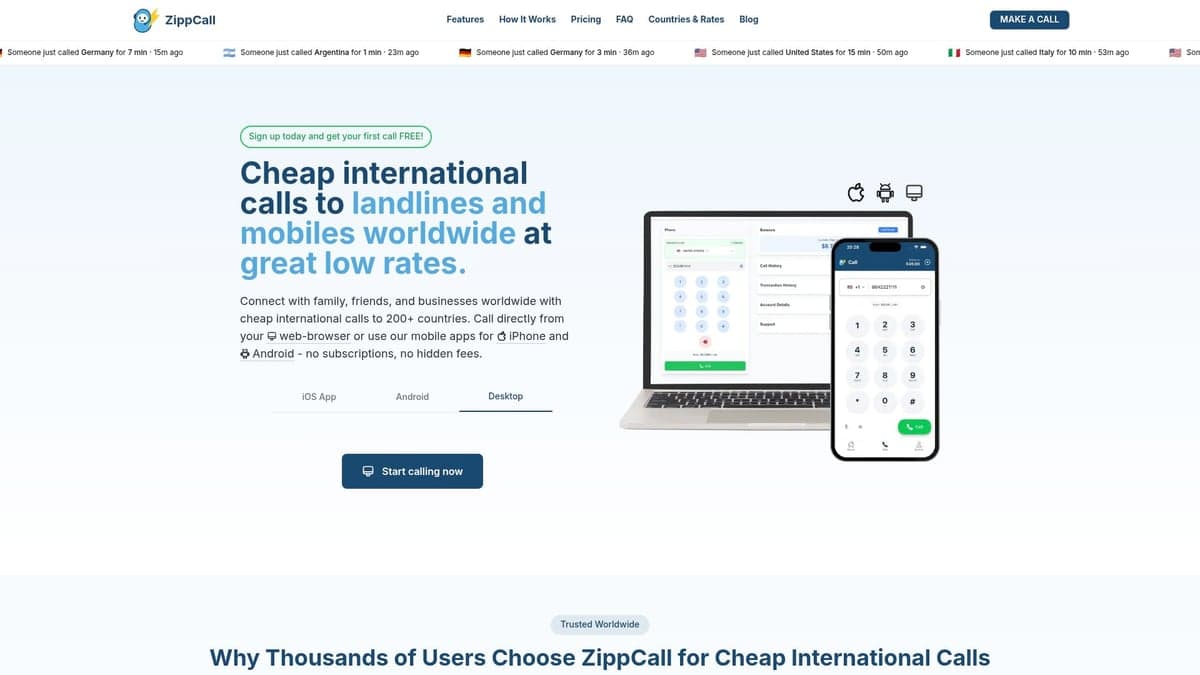
Key features of ZippCall include:
- Call any landline or mobile in over 200 countries and territories.
- Pay-as-you-go credits with no expiration and zero monthly fees.
- A clear rate calculator that displays exact per-minute costs before you dial.
- HD voice quality and advanced encryption to keep your conversations secure and crystal clear.
- Instant setup, so you can sign up and make your first call in seconds—no lengthy process or paperwork.
- Multi-platform access, letting you connect easily from your browser, iOS, or Android device.
With rates starting at just $0.02 per minute, ZippCall users can save up to 90% compared to traditional providers. This is especially timely as the Mobile VoIP Market Growth Projections show internet-based calling solutions are rapidly becoming the norm worldwide.
Whether you have family abroad, travel frequently, run a small business, or simply want an affordable long distance call service, ZippCall offers flexibility and peace of mind. It’s a smart, secure, and transparent choice for connecting globally in 2025.
Top Tips for Maximizing Call Savings in 2025
Staying connected with loved ones abroad or handling business across borders shouldn’t break the bank. In 2025, it’s easier than ever to save on every long distance call. Let’s explore practical, community-driven strategies to keep your calling costs low and your connections strong.
Use Web-Based Calling Whenever Possible
Web-based platforms are game changers for anyone making a long distance call. These services cut out physical SIM cards and expensive international plans, letting you connect from any device with internet access.
- Lower overhead means more savings passed to you.
- Flexible platforms work on laptops, tablets, and phones.
- Many offer HD voice and secure connections.
According to VoIP Adoption Statistics 2025, a growing number of people are switching to internet-based solutions for their long distance call needs, enjoying better rates and quality.
Regularly Review and Switch Providers
Don’t stick with one provider forever. Rates and promotions change often, so reviewing your options every few months can make a big difference.
- Compare rates for your most-called countries.
- Watch for special deals or new features.
- Switching can lead to significant savings each month.
If you notice your long distance call costs creeping up, it may be time for a change.
Take Advantage of Loyalty and Referral Programs
Many platforms reward loyal users or those who bring friends. These perks can add up, making each long distance call even more affordable.
- Earn credits for referrals.
- Enjoy special discounts after a certain number of calls.
- Stack up bonuses during seasonal promotions.
For more ways to stretch your budget, check out this international calling cards guide to see if prepaid options fit your style.
Bundle International Calls with Other Services
Some services provide bundled credits or multi-country packages, ideal if you frequently make long distance calls to different destinations.
- Bundles can lower the per-minute rate.
- Evaluate if a package matches your actual usage.
- Read the fine print for expiration dates or restrictions.
Bundles are great for families or teams with varied calling needs.
Monitor for Regulatory and Market Changes
International calling rates can shift based on new rules or market trends. Stay informed so your long distance call budget isn’t caught off guard.
- Subscribe to provider newsletters for updates.
- Follow telecom news for upcoming changes.
- Be proactive about adjusting your calling habits.
Keeping an eye on the landscape helps you avoid surprises.
Prioritize Security and Privacy
Always choose providers with strong privacy policies and call encryption. A secure long distance call keeps your conversations safe from prying eyes.
- Look for end-to-end encryption.
- Avoid suspiciously cheap, unregulated services.
- Read user reviews for peace of mind.
Security should never take a back seat to savings.
Educate Family and Team Members
Share your best tips with those you call most often. When everyone is on board, maximizing long distance call savings becomes a team effort.
- Create a shared document with provider info.
- Discuss best times to call for cheaper rates.
- Remind loved ones to use web-based platforms.
Empowering your circle ensures everyone wins.
If you’re ready to put these tips into action and start saving on your long distance calls, there’s never been a better time to try a modern solution. With ZippCall, you and I can connect with friends, family, or colleagues all over the world—right from our browsers or phones—without worrying about hidden fees or complicated plans. It’s as simple as pay as you go, with clear pricing and no commitment needed. Let’s make staying in touch affordable and stress free together. \
Start Calling

Entrepreneur and founder of ZippCall. After years living abroad, Josh built ZippCall to make international calling simple, affordable, and reliable.
Ready to Try ZippCall?
Make affordable international calls on web, iPhone, and Android devices. Crystal-clear quality with competitive rates.
1 minute setup. No subscription required.